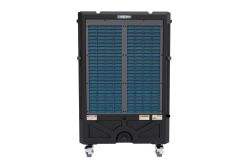
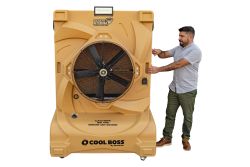
Industrial-Grade Cooling
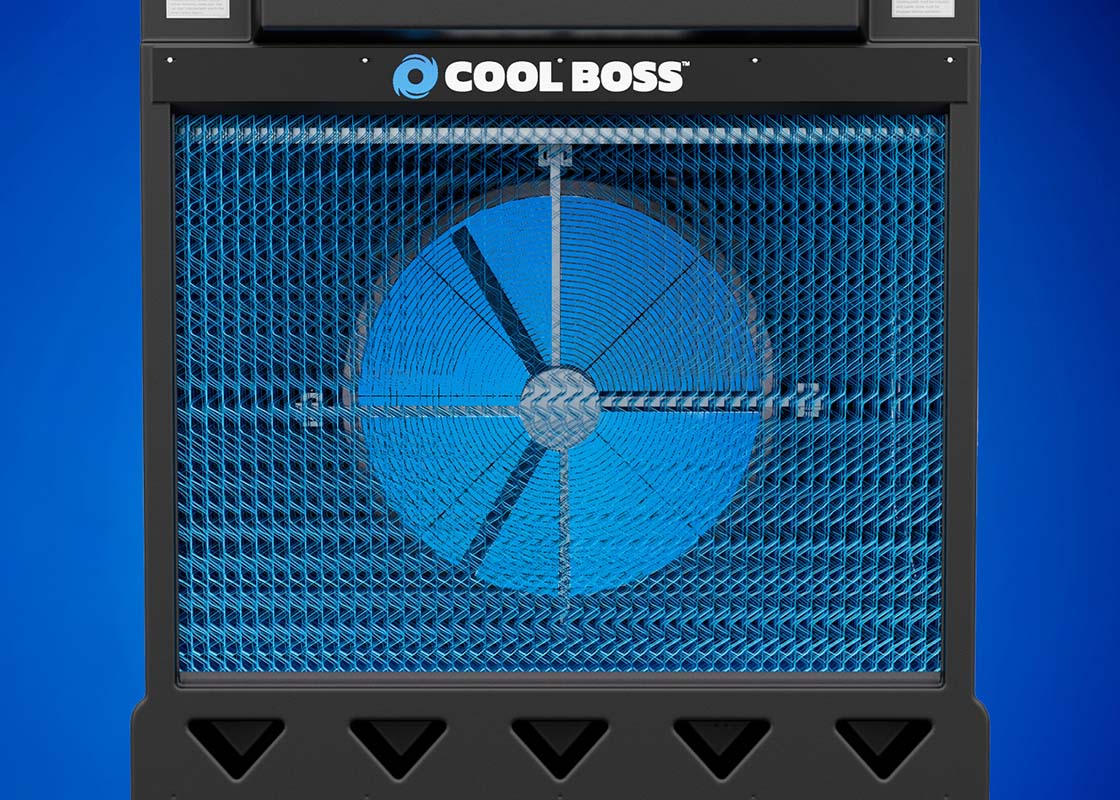
Each unit comes equipped with a high-powered axial-flow fan that moves serious air while keeping engine drag low, even at higher speeds. Perfect for warehouses, garages, and outdoor work zones.

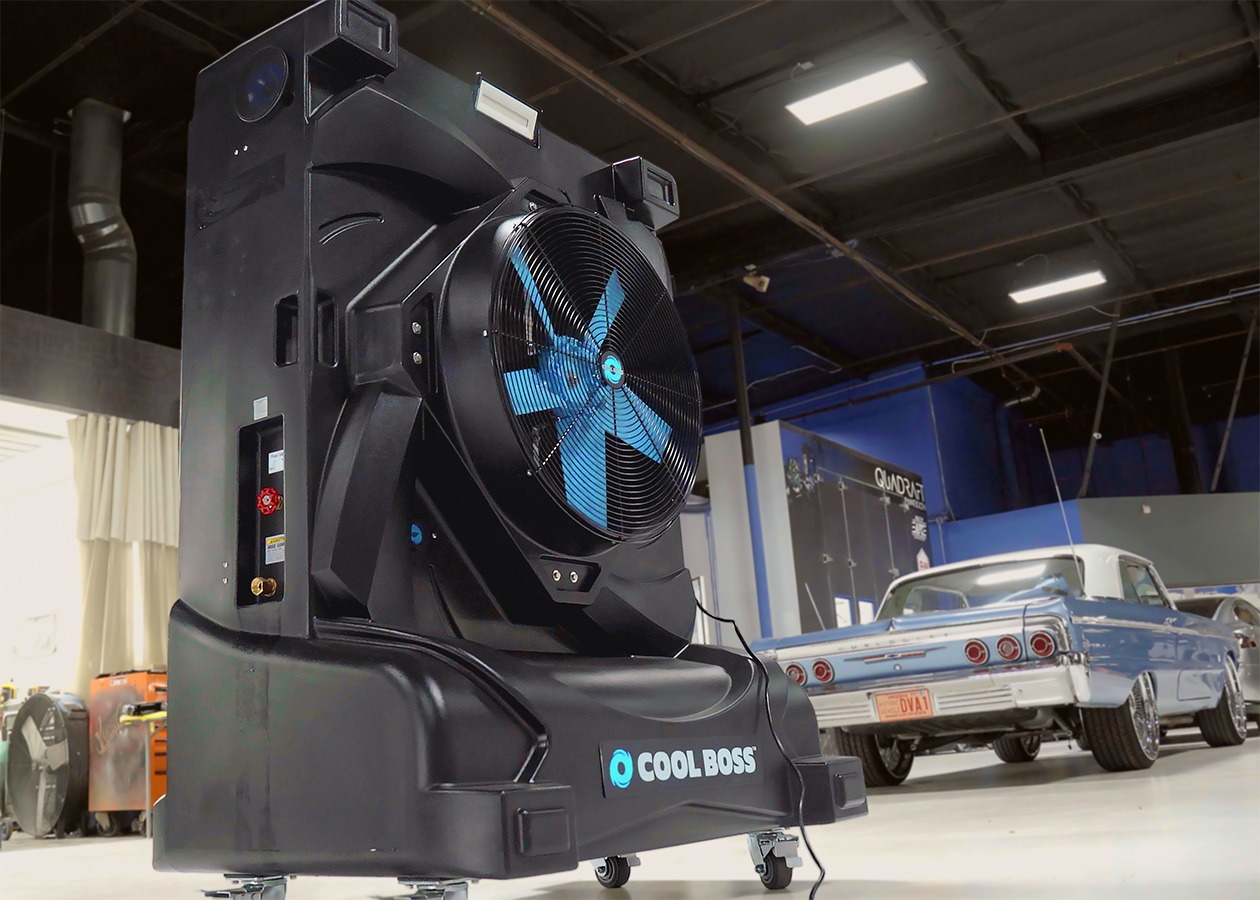
Move a lot of air without installing traditional refrigerated air conditioning. Cool Boss portable swamp coolers combine water, evaporative media and high-volume airflow for shops, warehouses, work areas and other open or well-ventilated spaces.
A swamp cooler—also called an evaporative air cooler—uses the natural process of evaporation to cool moving air. Warm air is drawn through water-saturated evaporative media before a fan directs the conditioned airflow into the surrounding area.
Unlike refrigerated air conditioning, the process does not rely on a compressor to cool and recirculate enclosed indoor air. Direct evaporative cooling works with fresh air and adds moisture as it operates.
That makes temperature, relative humidity, ventilation, airflow and placement important when choosing and positioning a swamp cooler.
Looking for a powerful way to beat the heat without breaking the bank? Cool Boss swamp coolers offer a smarter, more efficient alternative to traditional air conditioning.
Cool Boss swamp coolers use advanced evaporative cooling to turn hot, dry air into a steady stream of chilled airflow, without the high energy draw of AC systems. Each unit is designed to maximize coverage, reduce heat stress, and operate at a fraction of the cost.
Explore our selection of swamp coolers to find the perfect fit for your needs.
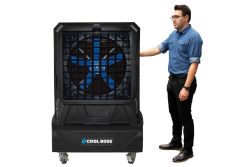
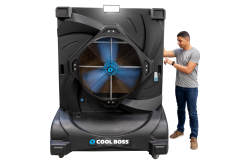
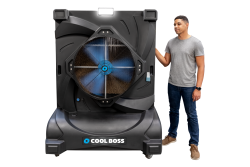
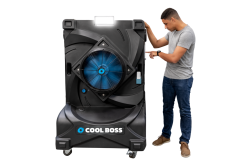
Cool Boss’s swamp cooler has multiple advanced features that ensure you stay cool and comfortable on hot days.
Each unit comes equipped with a high-powered axial-flow fan that moves serious air while keeping engine drag low, even at higher speeds. Perfect for warehouses, garages, and outdoor work zones.
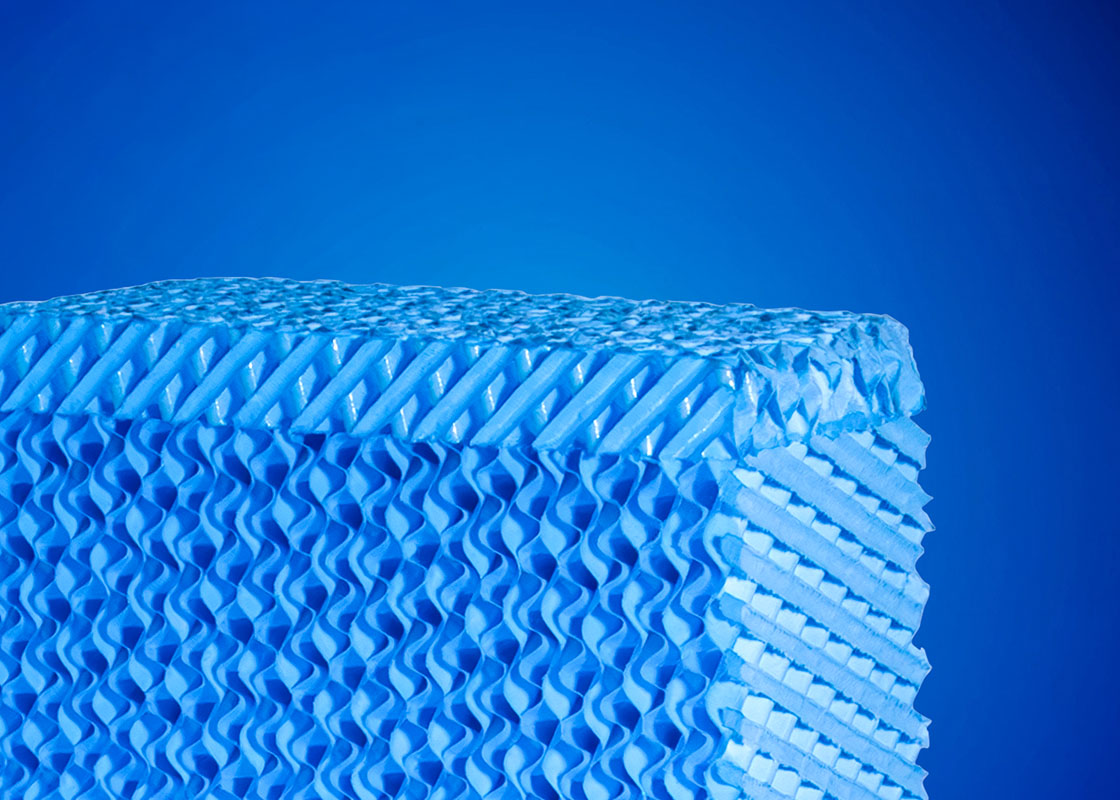
Cool Boss coolers use Honeycool™ evaporative media to lower temps without driving up energy bills. This system delivers high-efficiency airflow for long-lasting cooling performance.
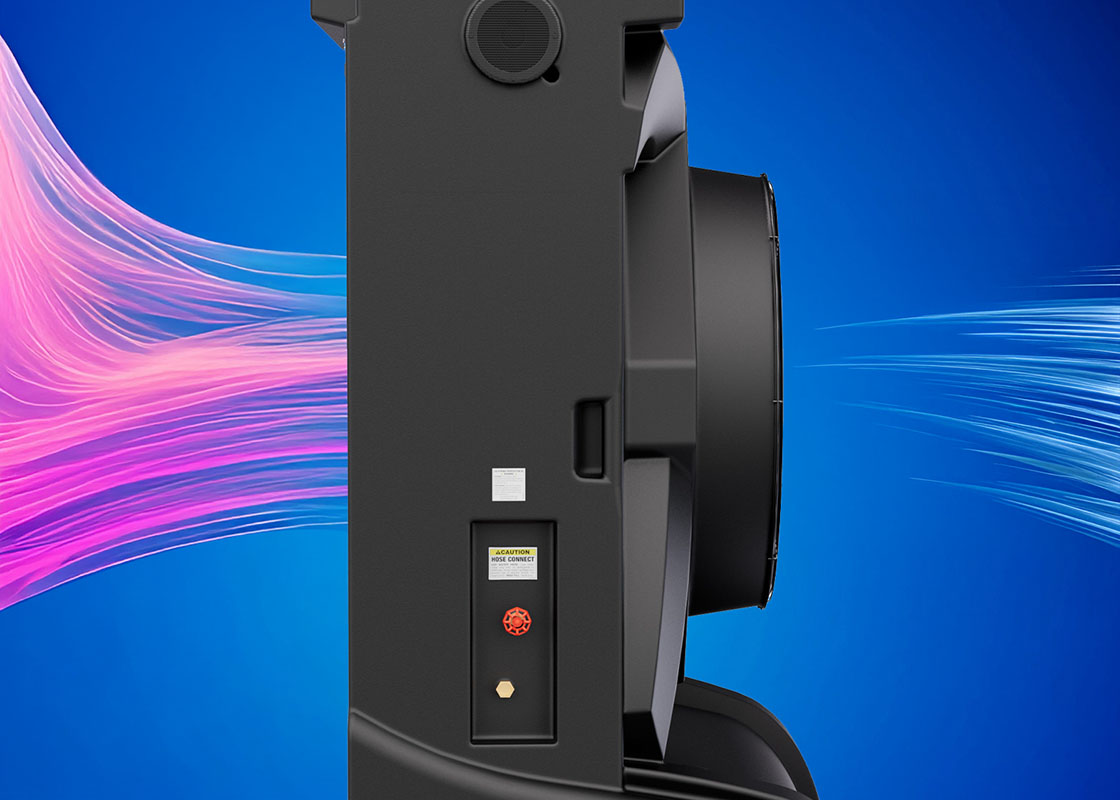
With models that deliver up to 12,000 CFM, Cool Boss coolers cover spaces up to 4,000+ sq. ft. Whether you’re cooling a job site, event tent, or shipping bay, Cool Boss gets the job done.
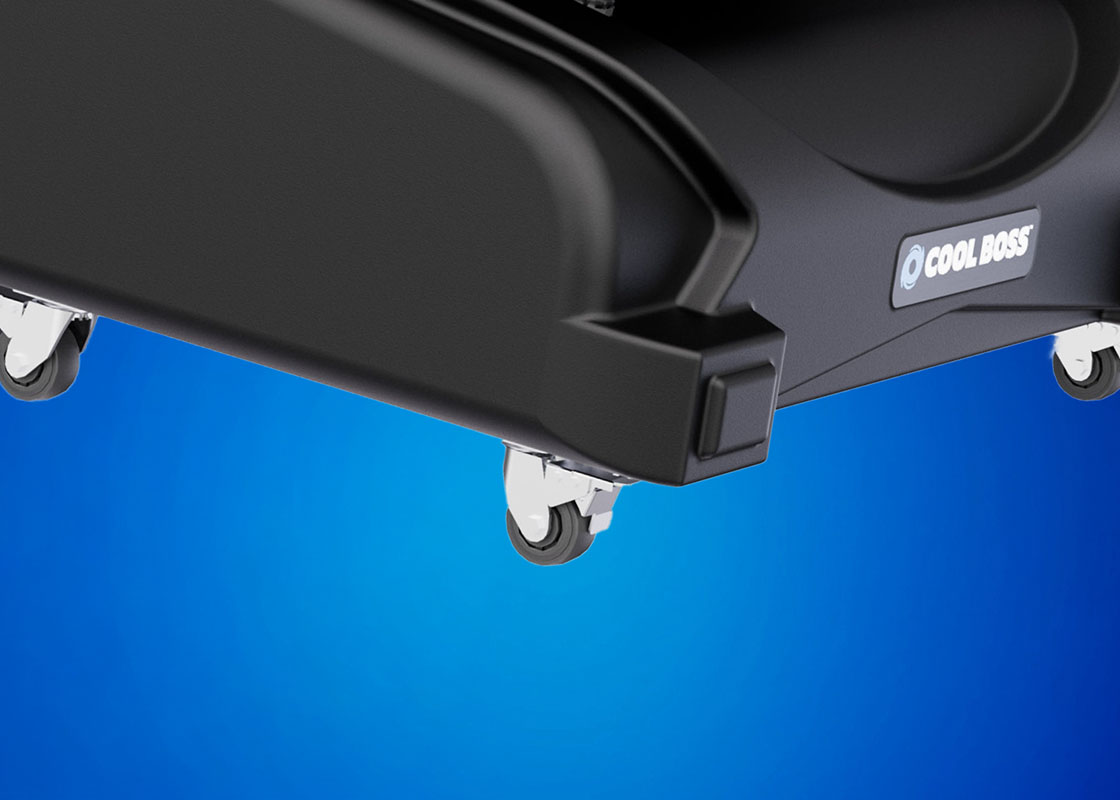
Durable swivel casters make repositioning simple. Roll your unit exactly where you need it, then lock it in place for steady airflow that stays on target.
Tired of the sweltering heat and high electricity costs? Upgrade your cooling system with Cool Boss’s versatile swamp coolers for a better experience on your patio or in your workshop.
Direct evaporative cooling uses a straightforward process to condition incoming air.
Water is distributed across the evaporative media inside the cooler.
The fan pulls surrounding air through the water-saturated media.
As water evaporates, it absorbs heat before the fan moves the resulting airflow toward the occupied area.
Evaporative cooling generally has greater cooling potential when the air is hot and dry. As relative humidity increases, the air can accept less additional moisture and cooling potential decreases. A fresh-air path and adequate exhaust are also important when using direct evaporative cooling indoors.
Cool Boss uses evaporative media, water and high-volume airflow to condition incoming air. See the cooling process in action before comparing the individual models.
Cool Boss offers swamp coolers in multiple sizes and configurations. Exact airflow, controls, lighting, audio, water capacity and other features vary by model.
Cool Boss models use axial-flow fan designs to move conditioned air toward work areas, occupied zones and other spaces that need additional airflow.
Water is distributed across evaporative media so incoming air can interact with a large wet surface area before leaving the cooler.
Choose among multiple Cool Boss models based on the size of the application, desired airflow, available space and operating conditions.
Portable models can be repositioned as cooling needs change, helping direct airflow toward different work areas instead of permanently conditioning one location.
Portable evaporative cooling can be useful across a range of open and well-ventilated applications.
Position airflow near service bays and active work areas.
Add portable airflow around occupied zones in large facilities.
Direct conditioned airflow toward production and assembly areas.
Bring additional airflow to covered or open-air work zones where conditions are suitable.
Here's what to know about evaporative cooling, humidity, ventilation and choosing the right Cool Boss for your application.
Yes. “Swamp cooler” is a common name for a direct evaporative air cooler. Both describe a system that uses water evaporation and moving air to provide cooling airflow.
A fan draws warm air through water-saturated evaporative media. As some of the water evaporates, it absorbs heat from the air. The fan then moves the resulting airflow toward the surrounding area.
No. Conventional refrigerated air conditioning typically uses a compressor and refrigerant to condition and recirculate indoor air. A direct evaporative cooler uses water evaporation and airflow, introduces fresh air and adds moisture while operating.
Generally, yes. Evaporation can occur more readily when the surrounding air has lower relative humidity. As humidity increases, the amount of additional moisture the air can accept decreases, reducing evaporative cooling potential.
Direct evaporative cooling works best with a supply of fresh air and a path for warmer, moisture-laden air to leave the space. In an enclosed area, adequate ventilation helps prevent humidity from building up and reducing cooling performance.
They can, but temperature alone does not determine performance. Relative humidity, ventilation, airflow, water conditions, placement and the specific cooler all affect the amount of evaporative cooling available.
There is no single temperature reduction that applies to every installation. Evaporative cooling potential changes with the incoming air's temperature and relative humidity, along with airflow, placement and equipment configuration.
Yes, when the application provides adequate fresh-air intake and an exhaust path. Because direct evaporative cooling adds moisture, tightly enclosed spaces without ventilation are generally not a good fit.
Start with the size and layout of the area, desired airflow, occupied work zones, ventilation and expected temperature and humidity. Then compare those requirements with the airflow and operating specifications of each Cool Boss model.
The right model depends on the application. Compare physical size, airflow, water capacity, available electrical service, portability and model-specific features rather than choosing by square footage alone.