Bring portable evaporative cooling along for the
journey. Cool Boss portable air coolers give RV
travelers flexible airflow for the campsite,
outdoor living area and other spaces where
portability matters.
RV travel means your living space changes
constantly. Sometimes you're inside the RV.
Sometimes you're under the awning, around the
campsite or relaxing outside.
Portable evaporative air coolers give you another
cooling option without permanently installing
equipment in one location. Move the cooler where
you want airflow and use it where conditions are
appropriate for evaporative cooling.
Because evaporative coolers add moisture while
they operate, performance depends heavily on
temperature, relative humidity and fresh-air
circulation.
Portable Air Cooler for RVs
Looking for a smarter way to stay cool during your RV adventures? Cool Boss portable air coolers for RVs offer efficient cooling without draining your battery or breaking your travel budget.
What is a Portable Air Cooler for RVs?
A portable air cooler for RVs is a compact, energy-efficient cooling solution tailored for mobile living spaces. Unlike traditional RV air conditioners that draw significant power and demand installation, portable air coolers use evaporative cooling technology to lower temperatures without extensive setup or high energy demands. RV enthusiasts can use these units for flexible cooling, moving them easily from the main cabin to the bedroom or even outside to the campsite.
Choose the Best Portable Air Cooler for Your RV Travels
Explore our selection of portable air coolers designed to keep you comfortable on all your RV adventures.
What Makes Coolee™ the Perfect Portable Air Cooler for RVs?
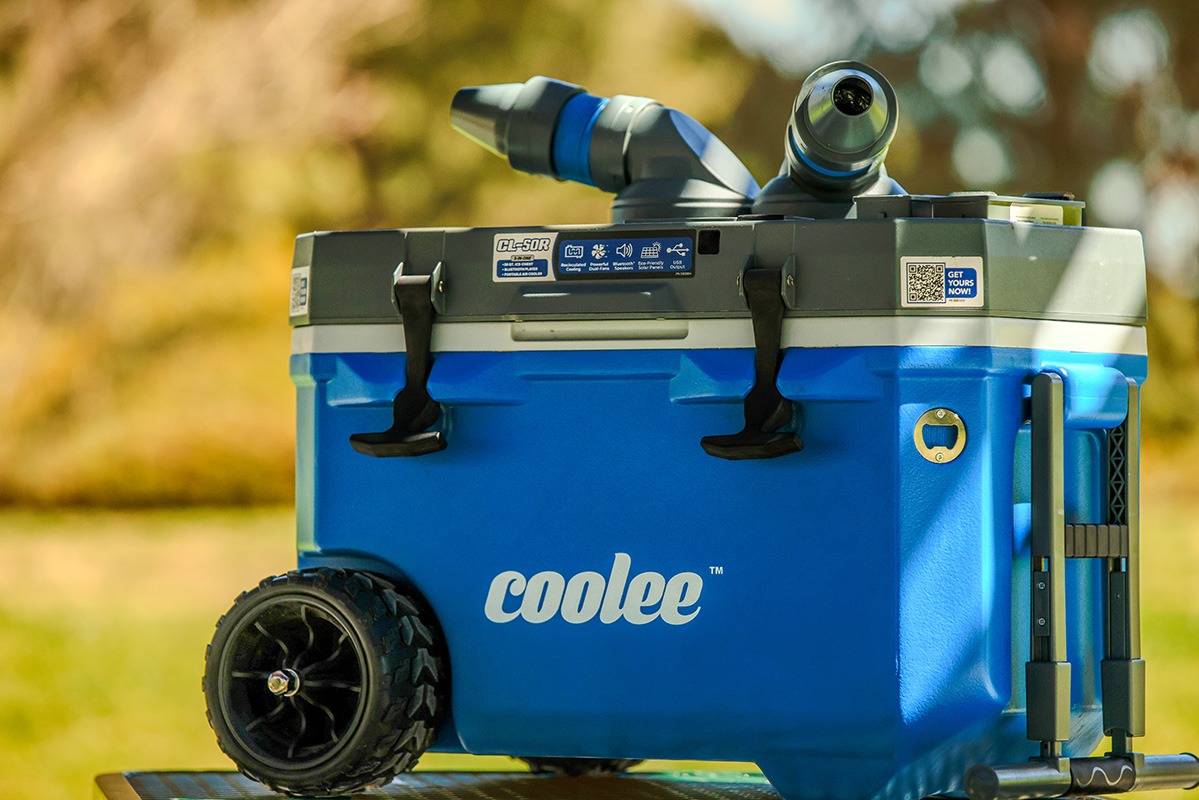
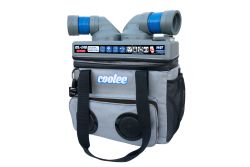
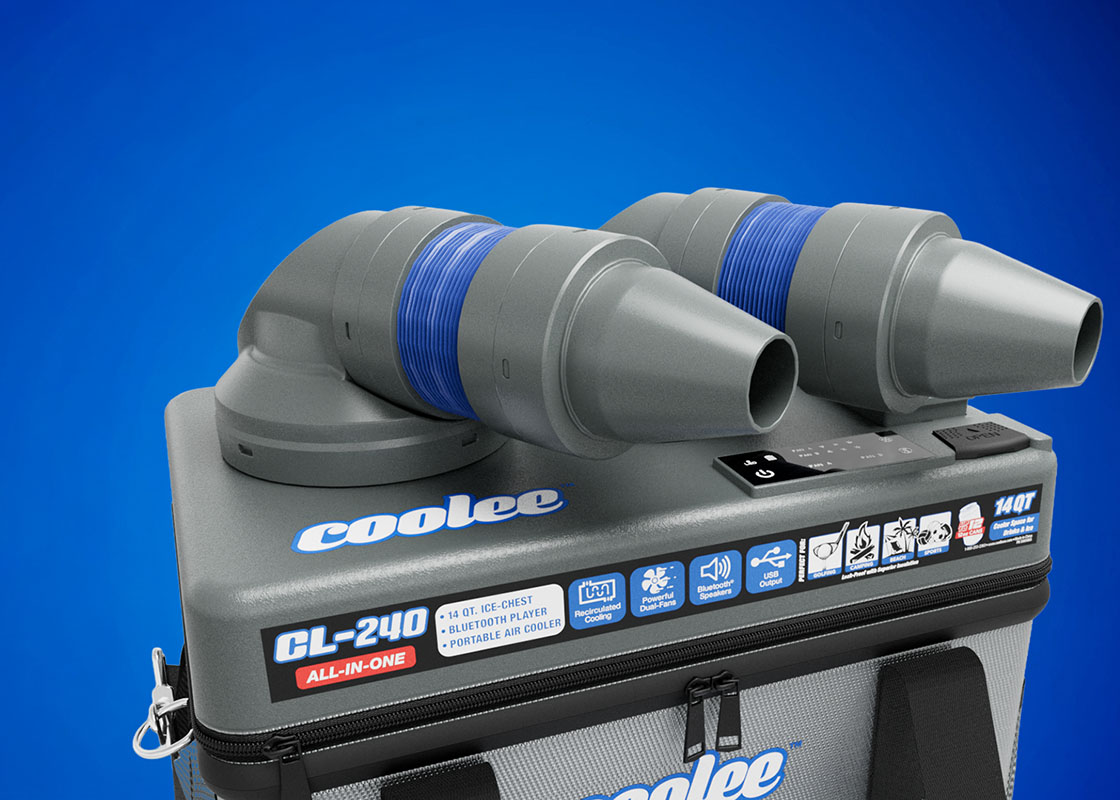
Coolee™ portable air coolers are engineered for mobile environments like RVs. They come with features that address cooling challenges while on the road.
Eco-Friendly, Rechargeable Power
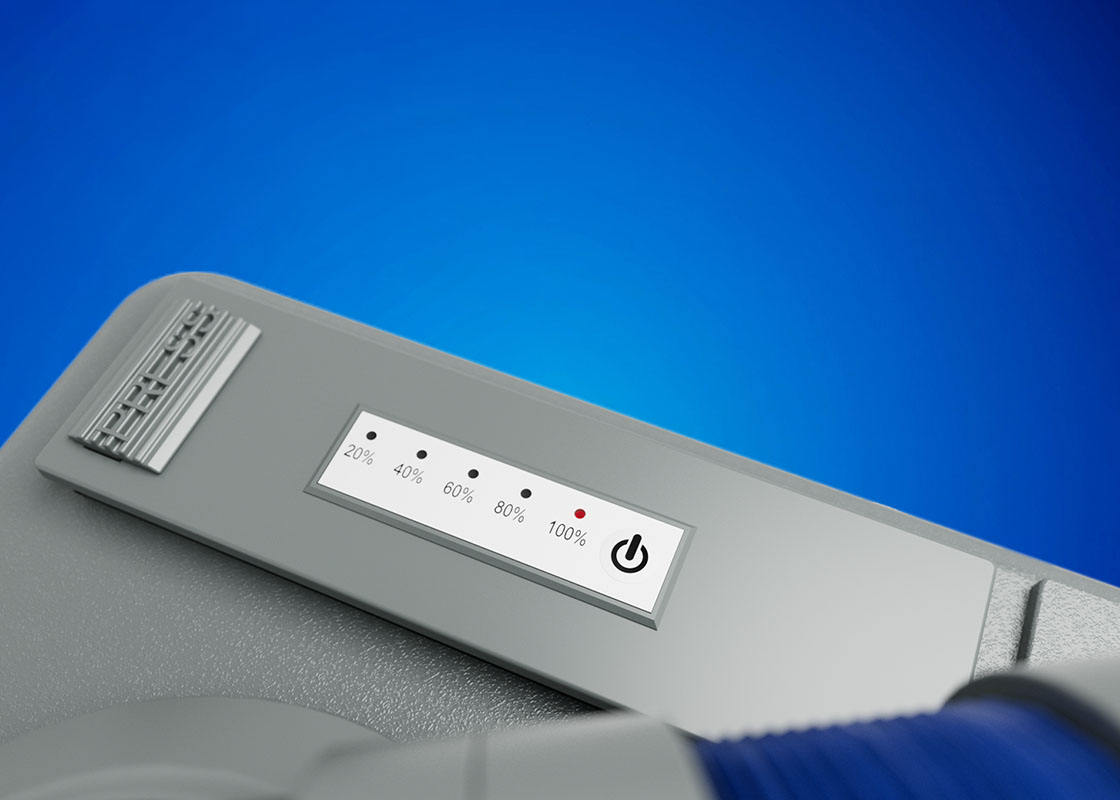
Our portable air coolers for RVs run on rechargeable lithium batteries that provide up to 8 hours of continuous cooling on a single charge. Solar charging capabilities let you extend runtime during daylight hours, making these units ideal for boondocking and off-grid adventures.
Lightweight and Portable
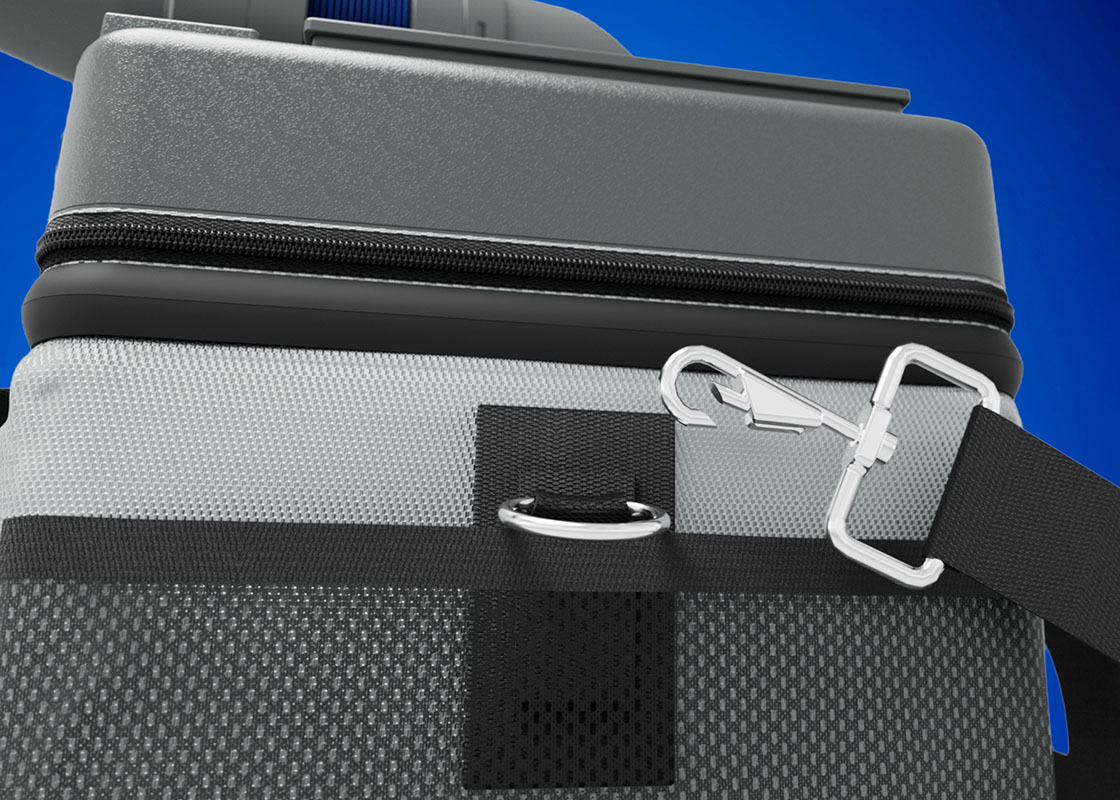
Coolee™ portable air coolers feature built-in handles and compact dimensions designed to fit in tight RV spaces. Move your cooler from the living area to the bedroom or even outside to your campsite without breaking a sweat.
Adjustable Vents
Dual adjustable air vents allow you to target cooling exactly where you need it most. Direct the airflow toward your sleeping area at night or position it to cool your cooking space during meal prep, maximizing comfort without wasting energy.
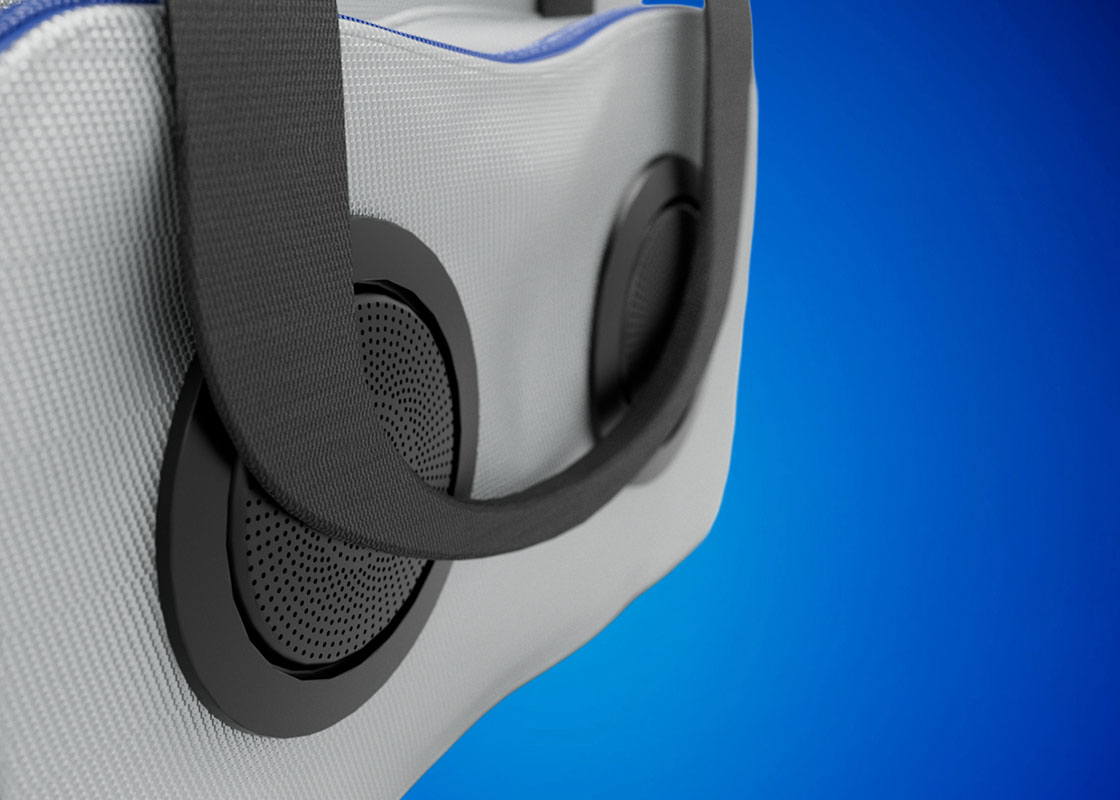
Bluetooth Speakers
Integrated Bluetooth audio capabilities let you stream your favorite music, podcasts, or audiobooks while cooling your space. This space-saving feature eliminates the need for separate speakers in your already limited RV storage.
Road Trip in Comfort With Portable Air Coolers for RVs
Beat the heat on your next adventure with a portable air cooler designed specifically for RV living. Enjoy efficient cooling that won't drain your batteries or your wallet.
A portable air cooler can effectively cool an RV, especially in dry climates. These units work by moving large volumes of air across water to create a cooling effect, which makes them well-suited for the open layouts you find in many RVs. Cool Boss models are powerful enough to drop temperatures noticeably, giving you a steady flow of cool air throughout your space.
Portable air coolers are particularly effective for RVs because they use significantly less power than traditional air conditioners, making them ideal for camping without utility hookups. Many RV enthusiasts use portable coolers as supplements to their main cooling system, allowing them to save energy while maintaining comfort.
The ideal size for an RV portable air cooler depends on the square footage you need to cool. Smaller areas are best served with compact units designed for localized cooling, while medium to larger spaces require coolers with greater airflow capacity. Choosing a unit that matches your room size will help ensure efficient and comfortable cooling.
Beyond size considerations, look for features that enhance usability in an RV environment, such as compact dimensions that fit in tight spaces, low power consumption compatible with your electrical system, and stability features that prevent tipping during travel. Coolee™ models are specifically designed with these RV-friendly features in mind.
Portable air coolers are remarkably energy-efficient compared to traditional air conditioning units. Instead of relying on energy-hungry compressors, they use fans and water circulation, which draw far less power. Many models include rechargeable batteries, so you can run them for hours without plugging into an outlet.
This significant difference makes portable coolers ideal for RV use, especially when running on battery power or limited electrical hookups. With this efficient design, you save energy, lower costs, and enjoy greater freedom when you travel off-grid.
Portable air coolers operate at significantly lower noise levels than traditional air conditioners. The fan-based cooling system eliminates the loud compressor cycles associated with traditional air conditioners, providing a consistent, gentle background noise that many users find soothing rather than disruptive.
This quiet operation is particularly valuable in an RV setting, where living quarters are compact and noise can quickly become disruptive.
Both built-in RV air conditioners and portable air coolers have distinct advantages depending on your specific needs. Built-in units offer more powerful cooling and can handle high humidity, but they require significant power, are permanently installed, and can be expensive to repair.
Portable air coolers provide excellent flexibility, use minimal electricity, cost significantly less, and require no installation. They work exceptionally well in dry climates and can be moved wherever cooling is needed. Many RV enthusiasts find that using both systems strategically provides the best solution. They run the portable cooler to save energy when possible and switch to the built-in AC during extreme heat or humidity.
Portable evaporative air coolers do not require venting out a window, but portable air conditioners do. Evaporative coolers work by passing air through water-saturated cooling pads, which naturally cools the air through evaporation rather than through refrigerant cycles that create hot air that needs to be vented.
Portable air coolers benefit from fresh air circulation. In an RV setting, this might mean cracking a window or vent on the opposite side of the space from your cooler. This creates a cross-breeze that enhances the cooling effect and helps manage humidity levels inside your RV.
Choosing the right cooling solution for your RV involves considering several key factors. First, assess your typical camping style. For those seeking energy independence, a portable air cooler is often the better choice.
Next, consider your climate. In dry regions like the Southwest, evaporative coolers perform exceptionally well. For humid coastal areas, traditional AC units may be necessary. Many RV owners find that having both options available provides the most flexibility.
How Evaporative Cooling Works
Water. Airflow. Evaporation.
Evaporative cooling works differently from
refrigerated air conditioning. Understanding that
difference is especially important when using one
around an RV.
01 / WATER
Wet the Cooling Media
Water is circulated through the evaporative
media inside the cooler.
02 / AIR
Move Air Through It
A fan pulls air through the wet media and
directs the resulting airflow toward the
occupied area.
03 / EVAPORATION
Let Evaporation Do the Work
As water evaporates, it absorbs heat from the
passing air. Results vary with the surrounding
temperature and humidity.
Fresh Air Matters.
Direct evaporative cooling works best with a path
for fresh air to enter and moisture-laden air to
leave. When operating a cooler inside an RV, provide
appropriate ventilation rather than sealing the
space tightly. Hot, dry conditions generally provide
greater evaporative cooling potential than humid
conditions.
Built for Portability
Useful Features for Life on the Road.
Cool Boss portable coolers combine evaporative airflow
with features designed to make cooling easier to move
between the RV, campsite and outdoor living areas.
Available features vary by model.
01 / POWER
Portable Power Options
Select Coolee models offer rechargeable operation,
giving you additional flexibility when you want
airflow away from a permanent outlet.
02 / PORTABILITY
Take the Airflow With You
Compact designs and integrated carrying features
make select models easy to reposition around your
campsite, patio or outdoor living area.
03 / AIRFLOW
Direct the Air Where You Want It
Adjustable airflow outlets on select models help
direct air toward the people and areas where
airflow is wanted.
04 / EXTRAS
More Than Airflow
Depending on the model, additional features can
include Bluetooth audio, beverage storage,
charging connections and other conveniences for
portable use.
Frequently Asked Questions
RV Cooling Questions? Start Here.
Evaporative cooling behaves differently from
refrigerated A/C. Climate, ventilation and placement
all matter.
Can I use an evaporative air cooler in an RV?
Yes, provided the conditions are appropriate and
the RV has adequate fresh-air exchange.
Evaporative coolers add moisture to the air, so
they should not be operated like a refrigerated
air conditioner in a tightly sealed space.
Does an evaporative cooler replace my RV air conditioner?
They perform different jobs. Refrigerated air
conditioning can reduce indoor temperature and
humidity in a closed space. Evaporative cooling
uses water and airflow and generally performs
better in hot, dry conditions with ventilation.
It can be another cooling option rather than a
direct replacement for every RV A/C system.
Do I need to vent an evaporative cooler outside?
It does not require a hot-air exhaust hose like
many portable refrigerated air conditioners.
However, when used inside an RV, you should
provide a fresh-air path and an opening for
humid air to leave the space.
Do evaporative coolers work in humid weather?
Evaporative cooling potential decreases as
relative humidity increases. Hot, dry conditions
generally allow more evaporation and a greater
cooling effect than humid conditions.
Can I use a portable cooler outside my RV?
Portable models can be useful around campsites,
awnings and outdoor seating areas when operated
according to the individual product's
instructions. Position the airflow toward the
occupied area rather than trying to cool an
entire outdoor environment.
Which Cool Boss portable cooler should I choose?
Compare the individual models based on airflow,
physical size, power requirements, water
capacity, portability and available features.
Product specifications should be used for final
selection because features vary by model.