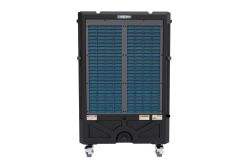
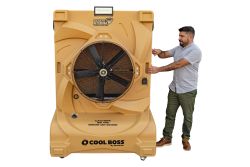
Industrial-Grade Cooling
Each unit delivers powerful cooling using advanced evaporative technology that can lower temperatures by up to 26°F while using minimal energy compared to traditional air conditioning systems.

Portable evaporative air coolers built to move high-volume airflow through warehouses, workshops, manufacturing facilities and other demanding work environments.
Explore Industrial CoolersCooling a large industrial building can be a challenge, especially when doors are open, equipment produces heat or workers are spread across multiple areas.
Cool Boss portable evaporative air coolers give you another approach. Instead of relying on refrigerated air conditioning for the entire building, a portable cooler can be positioned near active work areas and used to deliver high-volume airflow where it is needed.
Because evaporative cooling uses water and moving air, performance depends on temperature, relative humidity, ventilation, placement and the individual Cool Boss model.
 />
/>
Industrial evaporative air coolers deliver powerful, energy-efficient cooling for large workspaces where traditional air conditioning is impractical or cost-prohibitive.
Cool Boss industrial evaporative air coolers are built to deliver serious cooling performance in demanding environments. With high-volume airflow, rugged construction, and energy-efficient operation, they help keep warehouses, manufacturing facilities, workshops, and other large spaces cooler and more comfortable. Simply position your Cool Boss where cooling is needed and get powerful airflow without the expense or complexity of traditional air conditioning.
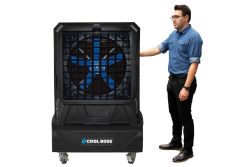
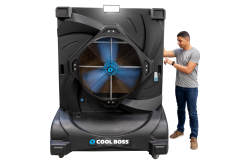
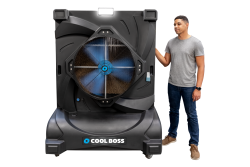
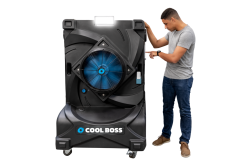
Our industrial evaporative coolers include features specifically designed for demanding commercial and industrial applications.
Each unit delivers powerful cooling using advanced evaporative technology that can lower temperatures by up to 26°F while using minimal energy compared to traditional air conditioning systems.
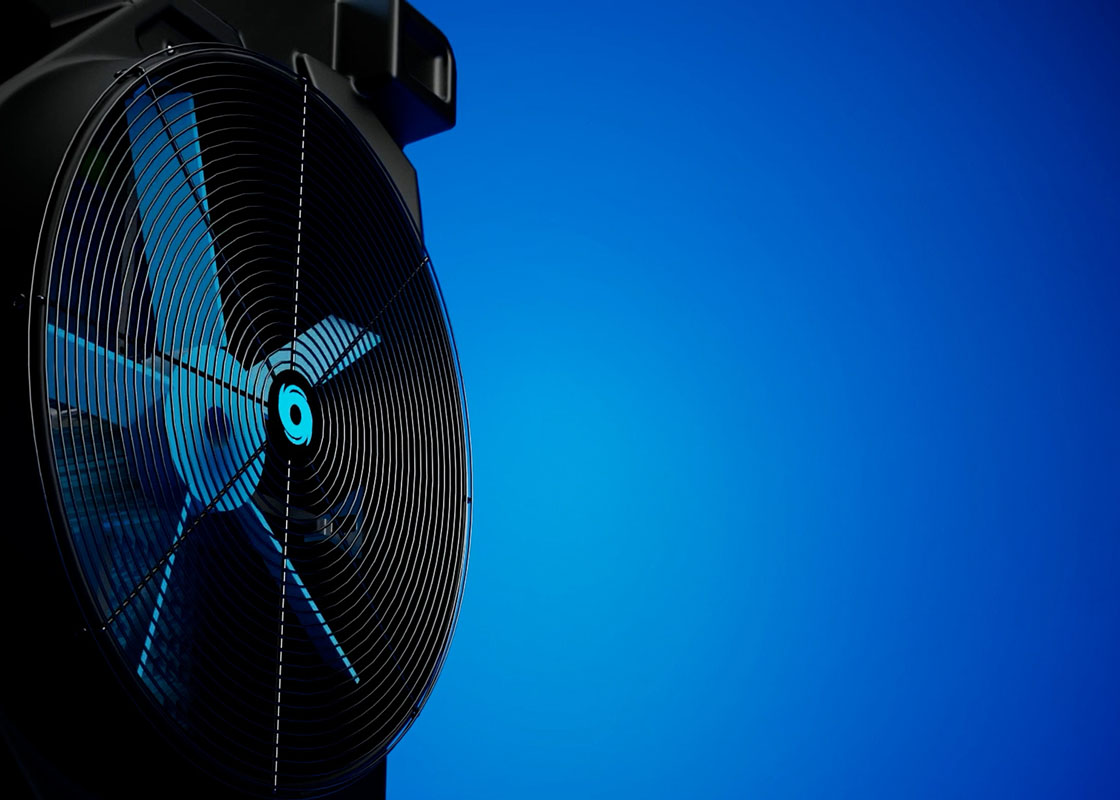
With fan sizes ranging from 12" to 36", Cool Boss industrial coolers move substantial volumes of air to effectively cool workshops, warehouses, and manufacturing facilities of various sizes.
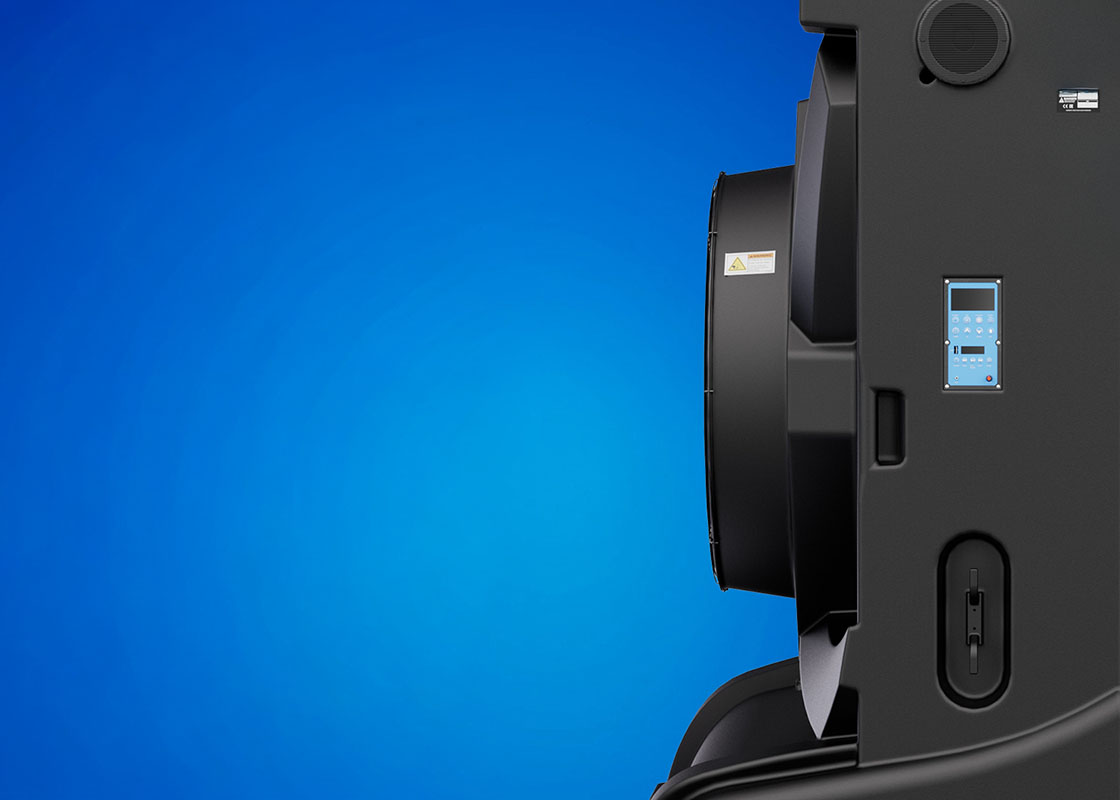
Operating at approximately $1 per day, these industrial coolers provide significant savings over conventional air conditioning systems while maintaining comfortable working environments.
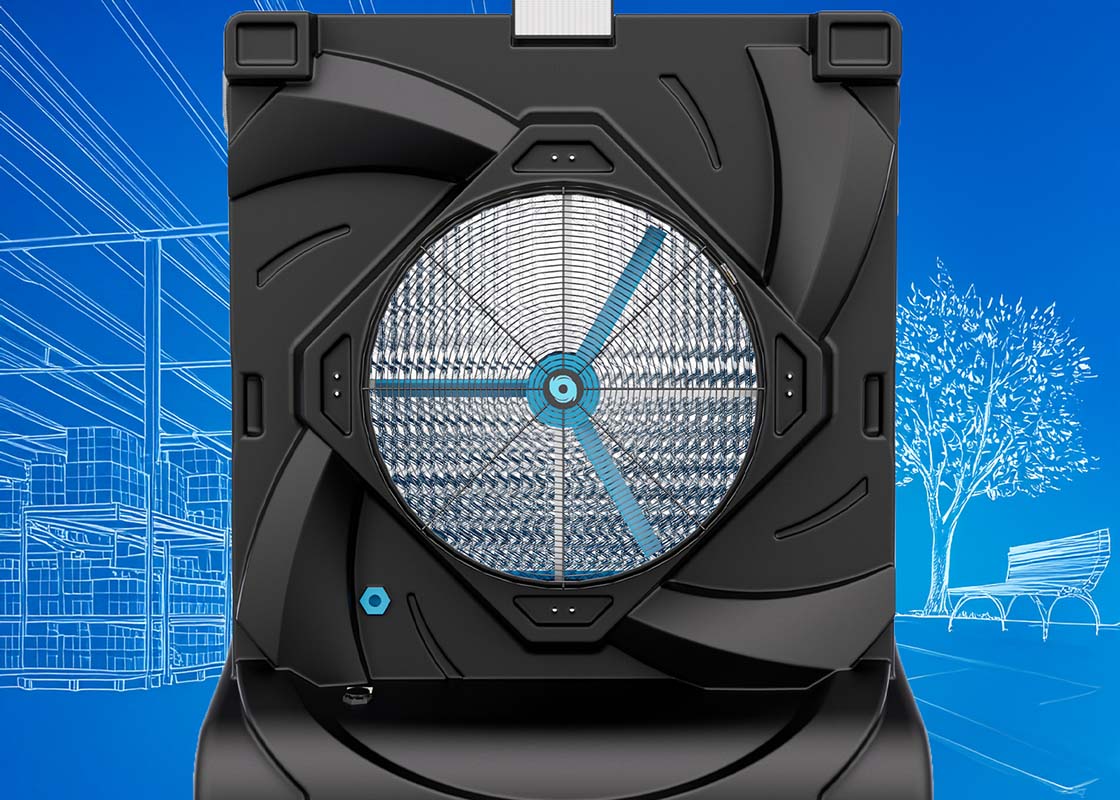
Durable construction with UV-resistant materials makes these units suitable for both indoor facilities and outdoor work areas like loading docks and construction sites.
Create a more productive work environment with industrial-grade evaporative cooling that keeps your team comfortable without straining your budget.
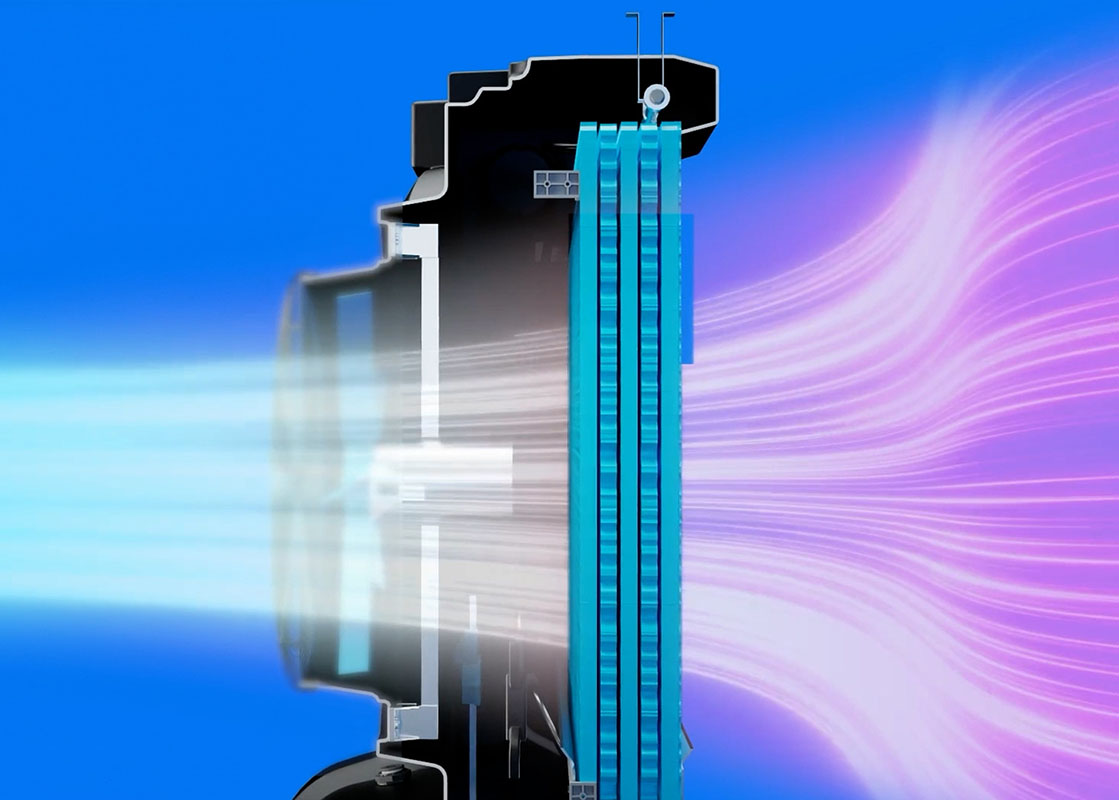
Direct evaporative cooling uses a straightforward process to create cooler airflow without a traditional refrigeration cycle.
Water is distributed through evaporative media, creating a large wet surface for incoming air.
The fan draws warm outside or ambient air through the water-saturated media.
As water evaporates, heat is removed from the incoming air before the fan directs that airflow into the work area.
Evaporative cooling generally has greater cooling potential in hot, dry conditions. Relative humidity, ambient temperature, ventilation, water conditions, airflow and cooler placement all affect real-world performance. Indoor applications should provide fresh-air intake and a path for moisture-laden air to leave the space.
See how portable evaporative cooling can bring high-volume airflow closer to workers, equipment and active areas without permanently installing cooling equipment throughout the building.
Cool Boss offers multiple evaporative cooler sizes and configurations for different commercial and industrial applications. Features and specifications vary by model.
Portable evaporative cooling provides an alternative for shops, warehouses and other spaces where conventional whole-building cooling may not fit the application.
Different Cool Boss models provide different fan sizes and airflow capacities, giving you options for work areas of different sizes and configurations.
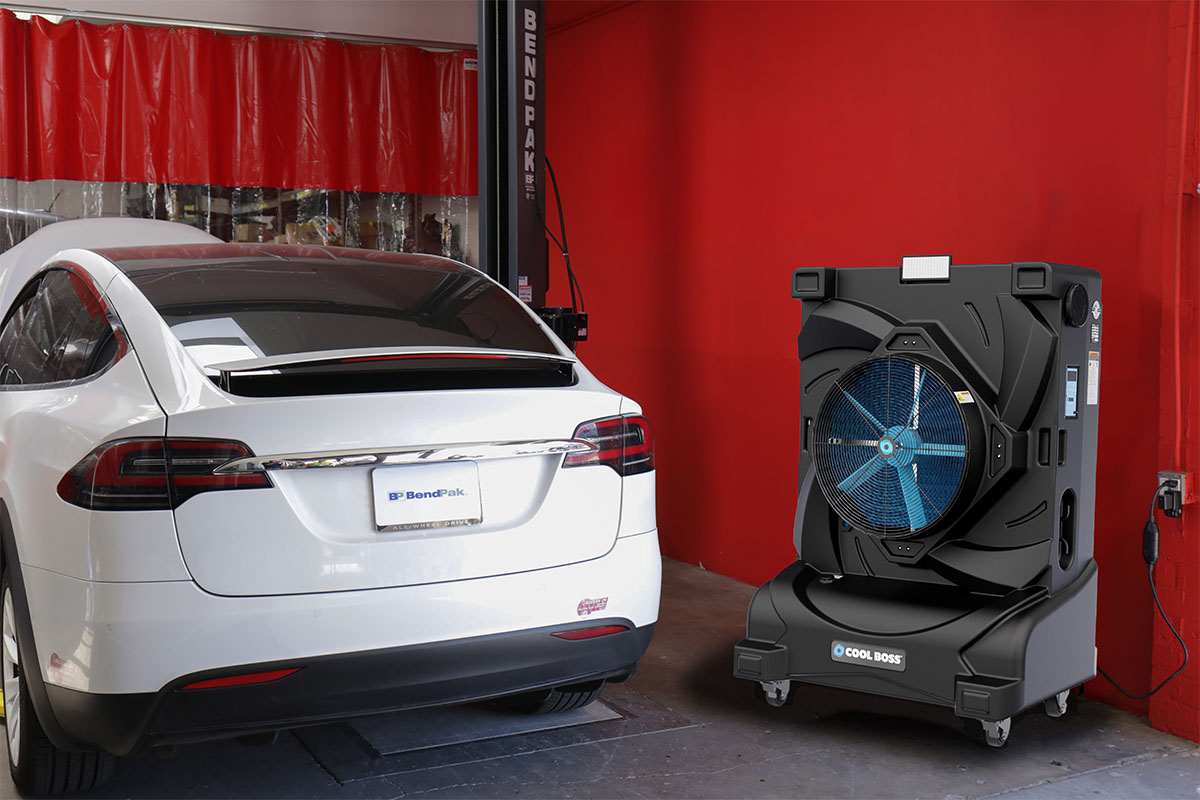
Portable models can be repositioned as workflows change, helping direct airflow toward active workstations, service bays, production areas or other occupied zones.
Depending on the model and operating conditions, evaporative coolers can support applications ranging from ventilated indoor work areas to covered outdoor workspaces.
Facility size is only part of the equation. Have your approximate work-area dimensions, ventilation, temperature and humidity conditions, electrical requirements and intended placement ready and our team can help you compare available models.
Start with the fundamentals of evaporative cooling, ventilation, humidity, placement and choosing a cooler for your work environment.
Yes. Water evaporating from saturated media absorbs heat from incoming air. A fan then moves that cooler airflow into the surrounding area. The amount of cooling depends heavily on ambient temperature and relative humidity.
Common applications include warehouses, workshops, manufacturing facilities, service areas, garages, loading areas and other open or well-ventilated work environments.
Refrigerated air conditioning typically uses a compressor and refrigerant to condition and recirculate air. Direct evaporative cooling uses water evaporation and moving fresh air, adding some moisture as it operates.
Direct evaporative cooling generally works best with a source of fresh air and a path for warmer, moisture-laden air to leave the space. That airflow path is particularly important for indoor applications.
Yes. Hotter, drier incoming air generally offers greater evaporative cooling potential. As relative humidity rises, the air can accept less additional moisture and the potential temperature reduction decreases.
Warehouses can be suitable applications when fresh-air exchange and ventilation are available. Portable units can also be positioned near workstations, loading areas and other occupied zones instead of attempting to condition the entire building.
There is no single coverage figure that applies to every installation. Model airflow, facility layout, ceiling height, ventilation, temperature, humidity and placement all affect real-world results. Use the specifications for the individual cooler when planning an application.
Temperature reduction varies with ambient temperature, relative humidity, airflow, ventilation, water conditions, placement and the individual cooler. Hotter and drier conditions generally provide greater evaporative cooling potential.
Cool Boss offers portable models that can be repositioned as work areas and cooling needs change. Size, weight, caster configuration, water capacity and other mobility features vary by model.
Consider your work-area dimensions, layout, occupied zones, desired airflow, ventilation, typical temperature and humidity, available electrical service, water access and how often the cooler needs to be moved. Then compare those requirements with each model's specifications.